PMT Score BISP 2026: Complete Guide to Check Eligibility

The PMT Score BISP plays a crucial role in determining whether a household qualifies for financial support under the Benazir Income Support Programme. Many people in Pakistan do not fully understand how this score works, which often leads to confusion and rejection. In simple terms, the PMT score reflects your financial condition based on government data.
This guide explains how to check PMT score BISP, why it may be high, and how you can fix it to improve your chances of receiving assistance.
What is PMT Score in BISP?
The PMT Score, also known as the Proxy Means Test score, is a system used by the government to measure the poverty level of households across Pakistan. It is calculated using data collected through the NSER survey, where details about your income, family size, education, and living conditions are recorded. The purpose of this score is to ensure that financial aid reaches only the most deserving families.
A lower PMT score means your financial condition is weaker, which increases your chances of qualifying for assistance. On the other hand, a higher score indicates better financial stability, which may lead to disqualification from programs.
PMT Score Range and Eligibility Criteria
Understanding the PMT score range is essential if you want to know your eligibility status. Generally, families with a score between 0 and 32 are considered eligible for support, while those falling between 33 and 37 may require further verification. If your score is above 38, you are usually not eligible for BISP benefits.
Eligibility also depends on other conditions. For example, individuals working in government jobs, owning large assets, or having strong financial records may not qualify even if their income appears low. This is because the system evaluates multiple factors together, not just income alone.
How to Check PMT Score BISP
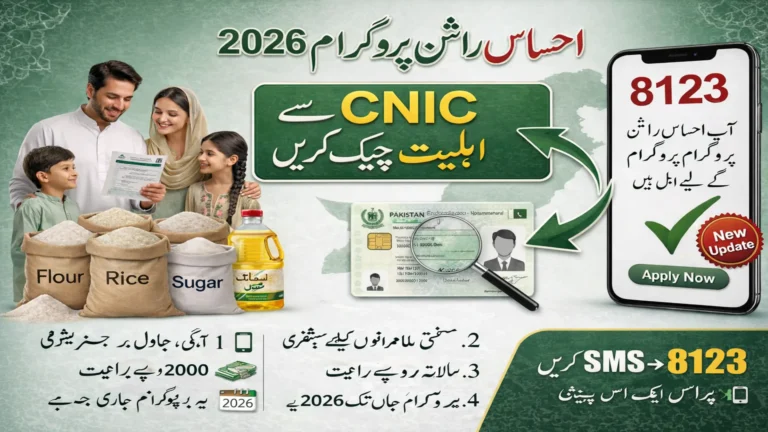
Checking your PMT Score BISP is simple and can be done through different methods. The most common method is using the 8171 SMS service. You just need to send your CNIC number to 8171, and you will receive a message with your eligibility status. This method is widely used because it is quick and accessible to everyone.
Another method is the online portal, where you can enter your CNIC and check your status instantly. If you prefer a more direct approach, you can visit the nearest BISP office, where staff can guide you and provide detailed information about your score and eligibility.
How PMT Score is Calculated
The PMT score is calculated using a variety of factors that reflect your overall financial condition. These include your monthly income, the number of people in your household, the education level of family members, and your employment status. Additionally, the type of house you live in and any assets you own, such as land or vehicles, are also considered.
There are also some hidden factors that many people are unaware of. For example, utility bills, bank activity, and records linked with NADRA can influence your score. Even small details, like registered SIM cards or travel history, may contribute to your overall evaluation. This is why some people are surprised when their score is higher than expected.
Why Your PMT Score is High
One of the most common concerns among applicants is having a high PMT score despite low income. This usually happens due to incorrect or outdated data in the NSER survey. If your information has not been updated for a long time, the system may assume a better financial condition than your actual situation.
Another reason could be assets registered in your name, such as property or a vehicle, even if they are not actively used. High utility bills and stable employment records can also increase your score. In some cases, mismatched data between NSER and NADRA records can automatically raise your PMT score, leading to rejection.
How to Reduce or Fix PMT Score BISP
Although you cannot directly edit your PMT score, you can improve it by correcting your data. The most effective way to do this is by visiting the nearest BISP office and requesting an NSER survey update. During this process, you will need to provide accurate information about your household, including income, family members, and assets.
After submitting your updated details, your case will go through a verification process. This usually takes two to four weeks. Once verified, your PMT score may be adjusted according to your actual financial condition. It is important to ensure that all information provided is correct, as any data can again affect your eligibility.
Real-Life Examples for Better Understanding
To better understand how PMT scores work, consider a simple example. A family with six members, no property, and very low income is likely to have a PMT score around 28, making them eligible for BISP support. On the other hand, a person who owns a small business and a motorcycle may have a score above 38, which makes them ineligible despite not being very wealthy.
These examples show that the system evaluates multiple aspects of your life, not just your income. Even small assets or financial activities can make a difference in your score.
What to Do After Rejection
If your application is rejected due to a high PMT score, there is still a chance to improve your situation. The first step is to check your score and identify the reason for rejection. After that, you should visit a BISP office and request a data update or re-survey.
Once your information is corrected, your eligibility can be reviewed again. Many people become eligible after updating their records, so it is important not to lose hope and follow the proper process.
Benefits of a Low PMT Score
Having a low PMT score can provide access to several government benefits. These include regular financial assistance, emergency cash support, and subsidies on essential items. In some cases, eligible families may also receive support for education and healthcare programs. This is why maintaining accurate information and a valid PMT score is so important.
FAQs – PMT Score BISP
What is PMT Score in BISP?
PMT Score is a system used in the Benazir Income Support Programme to measure a household’s poverty level.
It helps the government decide who is eligible for financial assistance.
How can I check my PMT Score by CNIC?
You can send your CNIC number to 8171 via SMS to check your eligibility status.
Alternatively, you can use the online BISP portal for instant results.
What PMT score is required for BISP eligibility?
A PMT score below 32 is generally required to qualify for most BISP programs.
Scores above this range may lead to verification or rejection.
Why is my PMT Score high despite low income?
Your score may be high due to assets, utility bills, or incorrect survey data.
Sometimes NADRA records or outdated NSER information also increase your score.
Can I reduce or fix my PMT Score?
Yes, you can request an NSER survey update by visiting the nearest BISP office.
After verification, your score may be adjusted based on correct information.
Conclusion
The PMT Score BISP is a key factor in determining your eligibility for financial assistance in Pakistan. Understanding how it works, how it is calculated, and how to fix issues can significantly improve your chances of receiving support. By keeping your data updated and following the correct procedures, you can ensure that your application reflects your true financial condition and helps you qualify for the benefits you deserve.