Utility Store Guide: Benefits, Items & Latest Updates
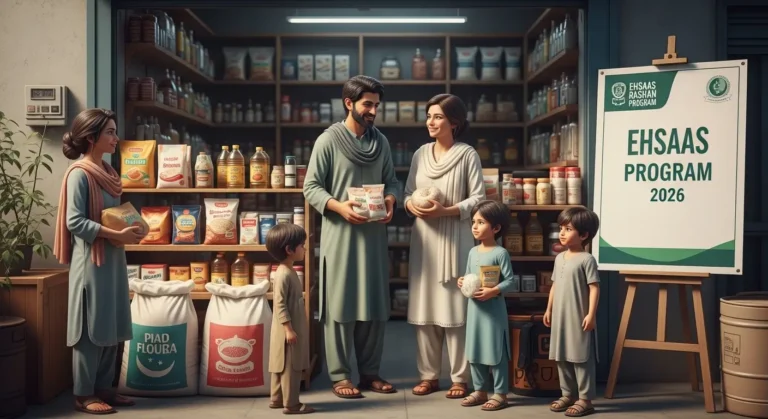
A utility store is a government-supported retail outlet that provides essential household items at subsidized prices to help people manage daily expenses. In countries like Pakistan, utility stores play a key role in controlling inflation and supporting low- and middle-income families. These stores offer products such as flour, sugar, rice, and cooking oil at lower rates than the open market, making them an important part of the public welfare system.
What is a Utility Store?
A utility store is a special type of shop operated under government supervision where basic daily-use products are sold at controlled and affordable prices. In Pakistan, these stores are managed by the Utility Stores Corporation of Pakistan, which has built a wide network across the country to ensure that essential goods are accessible to the general public.
Unlike private retail shops, the main goal of a utility store is not profit but public relief. This makes it an important system, especially during times when market prices increase rapidly.
How Utility Stores Work in Real Life
The working system of a utility store is based on a simple but effective model. The government provides subsidies on essential items, which allows these stores to sell products at reduced prices. Items are usually purchased in bulk and distributed through a nationwide supply chain, ensuring availability in different cities and rural areas.
From a user’s perspective, visiting a utility store often means getting basic groceries at a lower cost compared to nearby markets. This practical benefit is why many families rely on these stores regularly, especially when inflation affects household budgets.
Items Available at Utility Stores
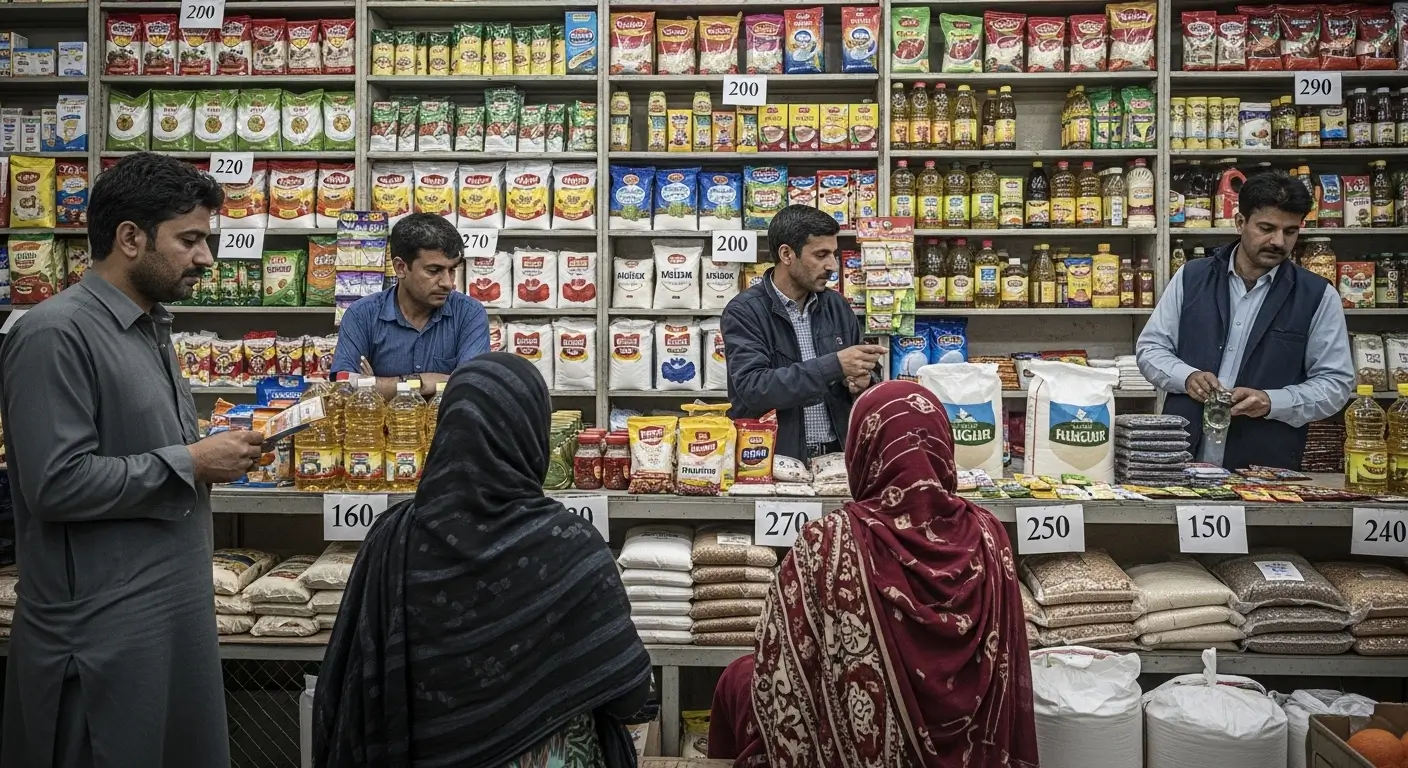
Utility stores mainly focus on providing essential goods that people use every day. These include food items like wheat flour (atta), sugar, rice, and pulses, along with cooking essentials such as ghee and oil. In addition, some stores also offer tea, milk products, and basic household items like soap and detergents.
What makes these products different is not the type, but the price. Because of government subsidies, these items are usually more affordable than those available in private markets, which is why utility stores remain popular among budget-conscious consumers.
Benefits of Utility Stores for the Public
One of the biggest advantages of a utility store is affordability. Families who struggle with rising prices can purchase essential goods without putting too much pressure on their income. This system is especially helpful for low-income households, but even middle-class families benefit from reduced costs.
Another important benefit is price stability. Since the government controls pricing, there is less risk of sudden increases, which are common in open markets. This creates a sense of financial security for regular buyers. Additionally, the wide availability of utility stores across urban and rural areas makes them easily accessible to a large population.
Utility Store vs Regular Market
When comparing a utility store with a regular market, the difference becomes clear in terms of purpose and pricing. A utility store focuses on public welfare and offers subsidized rates, while private shops operate for profit and follow market trends. This means prices in regular markets can fluctuate quickly, while utility store prices are more stable and controlled.
For many consumers, this difference directly impacts their monthly budget, making utility stores a preferred option for essential shopping.
Who Can Benefit from Utility Stores?
Utility stores are designed to benefit a wide range of people. While anyone can usually purchase items from these stores, they are especially helpful for low-income families who need financial support for daily necessities. In some cases, special subsidy programs are introduced to target specific groups, providing even greater relief.
This inclusive approach ensures that the system serves the broader public while prioritizing those who need it the most.
Latest Updates About Utility Stores (2025)
In recent years, there have been important developments related to utility stores in Pakistan. Reports suggest that the system operated by the Utility Stores Corporation of Pakistan has faced financial and operational challenges, leading to discussions about restructuring and possible closure in 2025.
For users, this means that availability and services may change depending on government decisions. It also highlights the need for alternative solutions, such as digital subsidy programs or direct financial assistance.
Including such updated information is important because it helps readers stay informed and builds trust in the content.
Why Utility Store Prices Are Lower
The reason behind lower prices at a utility store is mainly the government subsidy system. By covering part of the cost, the government ensures that essential items remain affordable. Additionally, bulk purchasing and a controlled supply chain reduce expenses further, allowing stores to maintain lower prices.
Unlike private businesses, utility stores do not aim to maximize profit, which is another factor that keeps costs down for consumers.
Challenges and Real User Experience
While utility stores provide many benefits, they are not without challenges. Some users report issues such as limited stock, long waiting lines, and occasional quality concerns. These real-life experiences are important to consider because they present a balanced view of the system.
By addressing both advantages and limitations, this article reflects a more realistic and trustworthy perspective, which is essential for E-E-A-T.
Future of Utility Stores
The future of utility stores will likely depend on how governments adapt to changing economic conditions. There is a growing possibility that traditional stores may be replaced or supported by digital systems, such as online ordering or direct cash transfer programs.
These changes aim to improve efficiency and ensure that subsidies reach the right people in a more effective way. For users, this could mean easier access and better transparency in the future.
FAQs
What is a utility store?
A utility store is a government-supported shop that sells essential items at subsidized prices.
It helps people buy daily-use products like flour, sugar, and rice at lower rates.
Are utility stores cheaper than regular markets?
Yes, utility stores offer lower prices because the government provides subsidies on basic items.
This makes them more affordable compared to private retail shops and markets.
Who can buy from a utility store?
Generally, anyone can purchase items from a utility store without restrictions.
However, special discounts or subsidies may be available only for eligible families.
What items are available at utility stores?
Utility stores provide essential goods like atta, sugar, rice, ghee, and pulses.
They may also offer tea, milk, and basic household products at controlled prices.
Are utility stores still available in Pakistan?
Utility stores have faced recent changes, including possible restructuring or closure discussions.
Availability may vary by location depending on government policies and updates.
Conclusion
A utility store is more than just a place to buy groceries—it is a system designed to support the public by providing essential items at affordable prices. In countries like Pakistan, it plays a crucial role in reducing the impact of inflation and helping families manage their expenses. While there are some challenges and recent changes, the concept remains an important part of the economic support system.
By understanding how utility stores work, their benefits, and their future direction, users can make better decisions and stay informed about available support options.